WWF’s Russell E Train Education for Nature (EFN) Programme, is looking for ideas that focus on collaborating to improve capacities and expand knowledge in the following areas;
(i) The effects of development projects on nature and communities
(ii) Ways to make conservation and development projects include everyone.
Programme Overview
Through the WWF Environmental and Social Impact Grant, teams and groups in Kenya, Tanzania, and Madagascar will be financially supported to understand and deal with the impacts of projects on nature and local communities.
A key component of maintaining the diversity of human-ecosystem interactions is inclusive conservation. This places a focus on increasing capacity to accelerate responsiveness in addressing possible negative effects on people and the environment as well as sustainable lifestyles.
WWF’s Three Pillars
The three pillars of sustainable development—economic, social, and environmental are being strengthened by interventions and other activities being carried out throughout Africa. However, to achieve inclusive conservation and sustainable development, efforts should be directed towards the delivery of institutional and individual capacities. This is in line with the 17 Sustainable Development Goals (SDGs).
Over the past 28 years, EFN has been at the forefront of improving research, education, and training by funding organizations and individuals addressing critical issues relating to biodiversity conservation in Asia, Latin America, and Africa.
The WWF recognizes the need of continuing to build institutional procedures and skills in local communities, youth and organizations as a way of advancing the contributions of these groups.
WWF Environmental and Social Impact Focus Areas
- The programe focuses on building skills and standards by using practical activities and real-life examples. It aims to address challenges in understanding and reducing social and environmental impacts of development programs.
- It emphasizes involving diverse stakeholders, including local communities and promoting collaboration among individuals and organizations
- Priority is given to proposals strengthening collaboration with local associations and regional bodies.
- Enhancing organizational abilities to tackle governance issues linked to conservation, development, and infrastructure ventures. Also, improving the skills and knowledge of individuals and communities to collaboratively achieve impact assessment and conservation goals.
Eligibility Criteria
To this end, the programme is in search of proposals that address a variety of audiences focusing on social and environmental issues. These should be related to the implementation and administration of conservation and development initiatives. There should be a special emphasis on the major objectives of WWF, which include climate, food, forests, freshwater, oceans, and wildlife.
Organizations can submit a budget of up to US$ 15,000 with strong justifications.
Additionally, interested applicants are expected to meet all the criteria below to be considered for the WWF Environmental and Social Impact Grant
- Participating organizations must be legally registered entity of any of the following countries – Kenya, Tanzania or Madagascar.
- Respective organizations should have a track record of capacity development in environmental and social impacts as well as monitoring results.
- All relevant documents should be submitted by the application deadline.
- Proposals should be designed with an activities deadline of August, 2025
- The proposal framework should include mentoring, active learning, practical skill components, and/or experiential learning.
- Organizations should be prepared to communicate how programme outputs will be accomplished within country-specific regulations related to the COVID-19 pandemic.
- Applicants must pledge to achieve WWF’s six ambitious goals—climate, food, forests, freshwater, oceans, and wildlife.
Selection Criteria
Proposals will be evaluated using the criteria below;
- Proposed objectives and goals – An understanding of the programme’s rationale and the feasibility of proposed activities in line with the budget and programme time frame.
- Project’s short and long term impacts on the environment and also in relation to social sustainability.
- The measurability of proposed project outputs and outcomes.
- Scalability and replicability of the project.
- The collaborative design of the project with clear indications of stakeholder specific roles in the delivery of teh objectives.
Programme Timeline and Application Process
Application Process
The call for applications will close on December 18, 2023 by 11:59 PM US Eastern Time – Deadline for submission of proposals
January – March 2024: Selection of successful participants
April 2024: Successful applicants contacted
June-July 2024: Contract signing and grants disbursements
Interested applicants are encouraged to visit the programme website for further and to send in their applications
Liked this post? Be sure to subscribe to our newsletter to be the first to be notified for scholarship and grant funding opportunities.
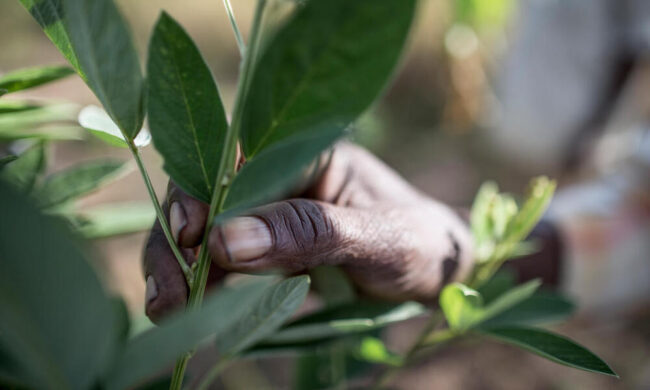
Image © WWF-US / James Morgan