
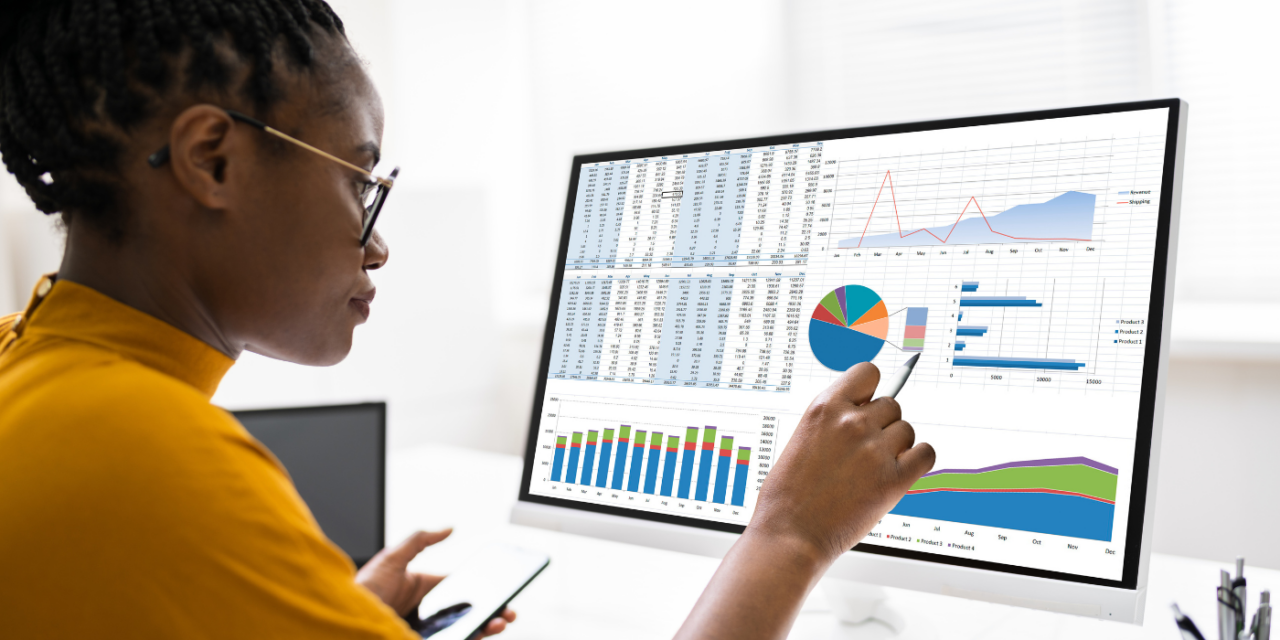
As a business owner, do you know what types of data to collect to help fuel business growth? Financial mistakes are not the only factors that ruin businesses.
Let’s be real here. There’s something undeniably thrilling about starting a business. Oh! the joys of being a founder.
Whether you’re launching a publishing house, a footwear brand, or a food company, it’s thrilling to know that your services or products can literally change people’s lives and put a smile on their faces. However, beyond the initial excitement of opening your doors or seeing a surge of online orders, how do you truly know if your vision is translating into reality?
Your products and services are designed to address specific needs, whether in homes, schools, workplaces, or elsewhere.
But are they achieving that goal? What are your clients saying? How do they feel about your services? Are they satisfied, or experiencing challenges? Perhaps, they are just hanging in there until they find a more suitable alternative to your service or product.
These are crucial questions that may be keeping you up at night. Here’s the good news: the answer lies in data (D-A-T-A).
Data Collection: Unlocking Valuable Insights
Data collection is simply the act of collecting information (data) through various sources, analyzing, and interpreting them to gain valuable insights.
Multinational companies and large conglomerates understand the power of data and continually invest huge amounts of money in building a strong data culture; they understand the benefits.
Whether you are a start up or an established business owner, you need to set up a system to collect information.
This article will explore the importance of data collection and delve into the different types of data you should be gathering for your business. Keep reading to gain valuable insights!
1. Customer Demographic: Understanding Your Audience
If your goal is to run a successful business, then you must know your audience. This includes understanding the demographics of those who patronize your business or inquire about your services – their gender, age, occupation, marital status, socioeconomic status, and so on.
Generally, this information helps you identify their needs and tailor your services to meet these needs.
For example, a unisex clothing line named Tropics conducted annual data analysis that revealed that they enjoyed more patronage from their female clients. They used this insight to invest in more women-friendly fabrics and materials for the next production cycle.
Likewise, they decided to enhance their creativity and style for their male clothing line to increase their male client base and as well as patronage.
Your customers expect you to take interest in their needs, preferences, and dislikes for you to understand and connect with them. his understanding fosters connection and loyalty to your brand, ultimately leading to increased sales. Additionally, customer data informs your marketing strategies.
For instance, if you want to get the attention of children audience, then using colorful and fun-filled visuals in your marketing strategies may be more effective.
In summary, data empowers you to make informed decisions. You’ll know where and how to invest your resources, and most importantly, how to meet the needs of your customers. It’s a win-win situation.
Data Collection Methods: Surveys, website forms, sign up forms, social media listening.
2. Customer Behavior: Reading Between the Lines
Every day, customers interact with your business, and it’s essential to observe their patterns and habits. This includes:
- The smile or look of disgust after walking in and out your store.
- The infectious grin after taking a bite of your newly launched ‘chocolate cookies’.
- The reaction after getting the package from the dispatch rider.
- The products that keep getting the highest rating on your website.
- The comments on your social media platforms and websites.
These non-verbal clues, body languages and verbal opinions are very important. Check your reviews and feedback – including the most, and the least flattering. Review the products with the highest likes or comments on social media. Track purchase history and behavior – which products do your customers keep coming back for ?
These parameters reveals how and what the customer feel about your services, their preferences and most importantly, identifies the areas you should work on. These are types of data to collect for your business.
Data Collection Methods: Website analytics (Google Analytics), heat maps, sales records, CRM data etc
3. Market Research Data: Staying Ahead of the Curve
Global events – stock prices, exchange rates, import and export policies – affect everyone, including you, your customers, and businesses across the board. These are some of the key types of data to collect.
Keep tabs on important news – exchange rates, imports and export policies, and industry trends. It’s crucial that you observe the industry trends, interact with key players in your field and have enlightened conversations on industry dynamics.
Identify your competitors – selling points, pricing, and other marketing strategies to position your business strategically.
Bear in mind that trends aren’t static. They emerge, evolve, or fade away. In the same light, the needs of your customers changes, and you must be swift in your response to these changes.
For example, imagine an AI grocery store named Hoz Haven is in a region that is populated by young adults. Few years down the line, these individuals embraced life transitions – graduation, love, marriage and over time their families began to expand.
Recognizing this shift, Hoz Haven could introduce food items specifically for children as their customers’ needs evolve.
A thorough market research data is an asset that helps you in making informed decisions, adjusting to market demands, and identifying potential market opportunities.
Data collection and analysis should be a continuous process to ensure your business thrives in any market.
Data Collection Methods: Market research reports, industry publications, competitor analysis and surveys.
4. Sales Data: More Than Just Numbers
Profit margins indicate the financial status, and growth of any business. Sometimes, business owners equate having an influx of customers, with making profits. In some situations, this may not be entirely true, because it’s possible that a business might be running at a loss yet have an influx of clients.
Check your numbers;
- How much are you investing in your production, packaging, and deliveries?
- How much are you getting back in return?
- Are you running at a loss?
- What is the profit margin?
- What season of the year do you make more profit?
- Do your customers buy more in person, online or over the phone?
- What factors are contributing to sluggish sales?
- Are the needs of your customers changing?
- Is your marketing strategy effective?
- Are you able to generate the amount invested into marketing?
Critically analyze your sales revenue.
Sales data monitors growth, and measures marketing campaign effectiveness.
Data Collection Methods: CRM software, sales management platforms, point -of-sale data.
5. Website and Marketing Analytics
In today’s digital world, businesses use multiple channels- social media, search engines, websites, and emails to connect with their existing and potential customers. There are different types of data to collect from these sources.
Leveraging these platforms can help in assessing your business performance. Every business should have a website that summarizes what they do and services they offer.
Monitor the website performance – clicks, traffic time spent navigating through the website, and the pages visited. Check the bounce rate and conversion path.
Assessing your website performances gives you an idea of how your customers and visitors perceives your brand. This feedback helps you to optimize the website and improve your marketing ROI. It’s important to enhance your brand perception and create a great user experience for your clients.
Also, you should check if your advertisements are effective because it’s possible to invest heavily in marketing strategies that don’t drive sales. Monitoring your marketing data enables you to utilize the right marketing strategies.
For instance, if most of your customers find their way to your brand through social media platforms particularly TikTok, it means you should work towards building a powerful presence on the platform.
Data Collection Methods: Google Analytics, dedicated marketing analytics platforms, social media analytics tools.
6. Employee Feedback: What are your people saying?
Just like your clients, employees develop a perception about your organization from their first day at work.More so, they spend most of their time at work.
A survey can be conducted to determine their level of job satisfaction. You need to find out if the work environment enhances creativity and productivity? Analyse the number of the number of staff that have resigned and investigate the reasons they left.
Your employee feedback helps in creating a healthy work environment and improving retention rates. Plus, employees are able to perform effectively at work and satisfy your clients, if they enjoy their job and find it interesting or fulfilling.
Data Collection Methods: Specialized HR analytics platforms, internal surveys, focus groups.
7. Operational Data: What is the engine saying?
This is an inventory of all your business operations ranging from resources utilization, production processes, distribution chain, as well as the day-to -day activities operations.
For example, in a bakery named Tikos, employees who operate the industrial oven are required to document its condition before and after use. This information will help the management know when the oven needs a repair or replacement.
With this sort of data, you can optimize your processes, reduce waste, and identify opportunities.
Data Collection Methods: Process management software, inventory management software.
Conclusion
Running a data driven business is no longer optional, it is a necessity.
And with the invention of technology, you can track all important data in your business.
There’s a lot of data to collect, however it’s imperative to know which data to collect and analyze to maximize your business efficiency and profitability.
Ensure that you have a clear objective and use the appropriate collection methods (surveys, interviews, online tracking etc.) to analyze, and interpret your findings.
Ladies, have you implemented a data culture in your business?
Don’t know how to get started? You might want to check out this Essential Analytics for Solo and Small Business Owners course on Udemy and let us know what you think.
If this article was helpful, kindly sign up for our newsletters to get more insights for your business.